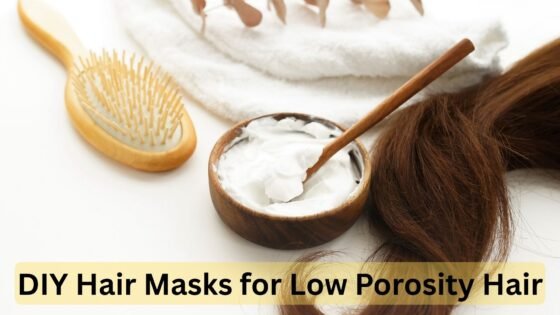
DIY Hair Masks for Low Porosity Hair: Deep Moisture Without Build-Up

Low porosity hair can feel like a mystery. You add products, oils, and treatments, yet your hair still feels dry or coated.
That’s because low porosity hair has tightly closed cuticles, making it harder for moisture to enter.
The good news? The right DIY hair masks for low porosity hair can deeply hydrate, soften, and improve manageability without buildup.
In this guide, I’m sharing simple, effective, and natural homemade hair masks that are easy to make and perfect for boosting moisture absorption. Each idea is designed to help you nourish your hair in a way that actually works.
Why Low Porosity Hair Needs Special Care
Low porosity hair resists moisture, which means heavy oils and thick products often sit on top instead of absorbing. This leads to buildup, dullness, and dryness over time.
To fix this, I focus on:
- Lightweight ingredients
- Heat or steam for better absorption
- Hydrating, water-based treatments
DIY masks are perfect because I can control ingredients and avoid unnecessary heaviness.
1. Honey + Aloe Vera Hydration Mask
This mask is perfect when my hair feels dry and stiff. Honey is a natural humectant that draws moisture in, while aloe vera soothes and hydrates the scalp.
Ingredients:
- 2 tablespoons aloe vera gel
- 1 tablespoon raw honey
- 1 tablespoon warm water
How to use:
Mix into a smooth gel and apply to damp hair. Leave it on for 20–30 minutes with a warm towel, then rinse.
Why it works:
This mask adds lightweight moisture without clogging the cuticles, making it ideal for low porosity hair.
Image prompt idea: A clean glass bowl with fresh aloe gel and golden honey being mixed, soft natural lighting, minimal background, focus on texture.
2. Coconut Milk + Banana Softening Mask
When my hair feels rough or tangled, this mask helps soften it instantly. Coconut milk hydrates, while banana smooths and improves elasticity.
Ingredients:
- ½ ripe banana (blended smooth)
- 3 tablespoons coconut milk
- 1 teaspoon olive oil
How to use:
Blend until creamy with no lumps. Apply evenly and leave for 25 minutes before rinsing thoroughly.
Why it works:
The combination delivers deep softness while staying light enough for low porosity hair.
Image prompt idea: A creamy banana-coconut mixture in a bowl, tropical aesthetic, soft beige tones, hair care setup.
3. Yogurt + Honey Repair Mask
This mask is my go-to when my hair feels dull or lifeless. Yogurt contains proteins that gently strengthen without overwhelming the hair.
Ingredients:
- 3 tablespoons plain yogurt
- 1 tablespoon honey
- 1 teaspoon apple cider vinegar
How to use:
Apply from roots to ends and leave for 20 minutes. Rinse with lukewarm water.
Why it works:
It balances moisture and protein, giving shine without buildup.
Image prompt idea: Thick yogurt mixed with honey in a ceramic bowl, minimal aesthetic, clean beauty vibe.
4. Avocado + Aloe Deep Moisture Mask
For extra hydration days, I use this rich but balanced mask. Avocado provides nutrients, while aloe keeps it light and absorbable.
Ingredients:
- ½ ripe avocado (mashed)
- 2 tablespoons aloe vera gel
- 1 teaspoon argan oil
How to use:
Blend until smooth and apply to damp hair. Leave for 30 minutes with gentle heat.
Why it works:
It deeply nourishes without feeling greasy when used in the right amount.
Image prompt idea: Fresh avocado halves with aloe gel, earthy tones, natural hair care aesthetic.
5. Rice Water + Aloe Strength Mask
Rice water is known for strengthening hair, but for low porosity hair, I always mix it with aloe to prevent stiffness.
Ingredients:
- ¼ cup fermented rice water
- 2 tablespoons aloe vera gel
How to use:
Apply lightly and leave for 15–20 minutes. Do not overuse.
Why it works:
It strengthens strands while keeping them hydrated and soft.
Image prompt idea: Clear glass jar of rice water with aloe gel beside it, minimal and clean setup.
6. Shea Butter + Warm Water Seal Mask
This is not a heavy mask if used correctly. I melt a tiny amount of shea butter and mix it with warm water for better absorption.
Ingredients:
- 1 teaspoon melted shea butter
- 3 tablespoons warm water
- 1 teaspoon jojoba oil
How to use:
Mix well and apply sparingly. Wrap hair with a warm towel for 20 minutes.
Why it works:
It seals moisture into the hair without sitting heavily on top.
Image prompt idea: Melted shea butter in a small bowl with warm steam, cozy spa-like setting.
7. Green Tea + Honey Refresh Mask
When my scalp feels irritated or my hair lacks shine, this mask works beautifully.
Ingredients:
- ½ cup cooled green tea
- 1 tablespoon honey
How to use:
Pour over hair and leave for 15–20 minutes before rinsing.
Why it works:
Green tea refreshes the scalp and improves shine while honey locks in moisture.
Image prompt idea: A cup of green tea with honey drizzle, soft natural lighting, calming spa theme.
8. Oat Milk + Aloe Soothing Mask
This mask is gentle and perfect for sensitive scalps. It hydrates without any heaviness.
Ingredients:
- ¼ cup oat milk
- 2 tablespoons aloe vera gel
How to use:
Apply evenly and leave for 20 minutes before rinsing.
Why it works:
It soothes irritation and provides lightweight hydration.
Image prompt idea: Creamy oat milk in a glass jar with oats scattered, clean minimal aesthetic.
Tips to Make DIY Hair Masks Work Better
Using the right mask is only part of the process. I always follow these tips to get the best results:
- Use heat or steam: Warmth helps open the cuticles for better absorption
- Apply on damp hair: Water helps carry moisture inside
- Avoid heavy oils: Stick to lightweight oils like argan or jojoba
- Rinse with lukewarm water: Hot water can strip moisture
Common Mistakes to Avoid
Even the best DIY mask won’t work if used incorrectly. Here are a few mistakes I avoid:
- Using too much product, causing buildup
- Skipping heat or steam
- Not blending ingredients properly (especially banana or avocado)
- Overusing protein-based masks
How Often Should You Use DIY Hair Masks?
For low porosity hair, I keep it simple:
- 1–2 times per week for hydration masks
- Once every 2 weeks for protein-based masks
Consistency matters more than frequency.
Benefits of DIY Hair Masks for Low Porosity Hair
When used correctly, these masks can:
- Improve moisture retention
- Reduce dryness and frizz
- Add shine and softness
- Strengthen hair naturally
- Support healthy hair growth
The best part is I know exactly what goes into my hair.
Final Thoughts
Finding the right DIY hair masks for low porosity hair can completely change how your hair feels and looks. I’ve learned that lightweight hydration, simple ingredients, and a little warmth make all the difference. These natural masks are easy, affordable, and effective when used consistently. Start with one or two recipes, see how your hair responds, and build a routine that keeps your hair soft, healthy, and full of life.