
Rice Water for Hair Growth: The Complete Guide to Making and Using It

Rice water for hair growth has been all over Pinterest and TikTok for a while now, and if you are wondering whether it actually works or if it is just another trend, you are asking the right question.
Short answer, yes, rice water can genuinely support healthier looking hair when you make and use it the right way.
It is not a miracle overnight fix, and it will not replace medical treatment if something more serious is going on with your hair, but it is one of the simplest, most affordable additions you can make to your at home hair care routine.
In this guide I am walking you through exactly how rice water helps your hair, the different ways to make it, how to use it properly, how long results actually take, and a few mistakes worth avoiding along the way.
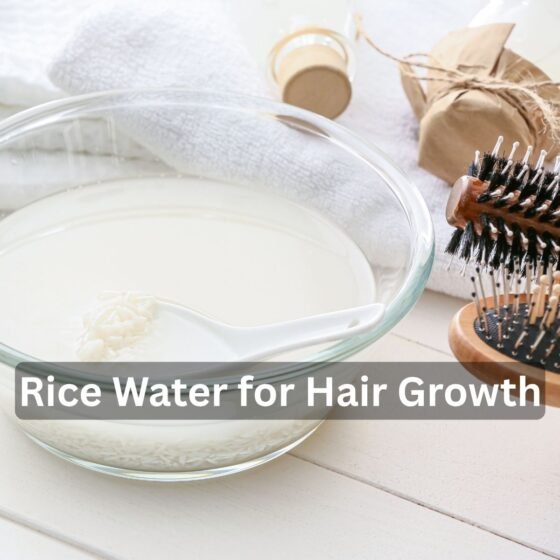
Does Rice Water Actually Work for Hair Growth
Rice water does not magically grow new hair out of nowhere, and any claim that promises instant regrowth overnight is worth being skeptical of.
What it does do is support the health of the hair you already have, which honestly matters more than people realize.
Rice water is rich in starch and amino acids that coat the hair shaft, which can make strands feel smoother, look shinier, and resist breakage better over time.
Since a huge part of visible hair thinning actually comes from breakage rather than the follicles shutting down completely, protecting your strands from splitting and snapping can make your hair look noticeably fuller and longer simply because you are retaining more length than before.
Stylist Secret
Think of rice water as strengthening support for your hair rather than a direct growth stimulant. Pair it with good scalp care for the best results.
Try: Weekly rice water rinses
Why Rice Water Is Good for Your Hair
Rice water contains inositol, a carbohydrate that has been shown to penetrate damaged hair and repair it from the inside out, which is part of why it leaves hair feeling noticeably stronger after regular use.
It also carries small amounts of vitamins B and E, along with amino acids that support the protein structure of your hair strands.
These nutrients work alongside minerals like iron, which plays its own essential role in healthy hair growth from the inside.
If your shedding has been ongoing and you have not looked into this angle yet, it is worth reading about the connection between iron deficiency and hair loss to see if that piece fits your situation too, since hair health is rarely about just one factor.
Types of Rice Water You Can Make
There are a few different ways to prepare rice water, and each one has a slightly different strength, smell, and shelf life. Plain soaked rice water is the mildest and gentlest option, made simply by soaking rice in water for a short time before straining it out.
Boiled rice water uses the starchy water left over from cooking rice and is a little more concentrated than the soaked version.
Fermented rice water is the strongest of the three, left to sit for a day or two until it turns slightly sour, which increases its nutrient content but also makes it more likely to cause protein overload if used too often, especially on fine or low porosity hair that does not handle extra protein well.
Stylist Secret
If your hair is fine or low porosity, start with plain soaked rice water before trying the fermented version. It is gentler while you see how your hair responds.
Try: Plain soaked rice water first
How to Make Rice Water for Hair Growth
Making rice water at home takes barely any effort and only needs one ingredient. Here is the simplest recipe to start with.
- Add half a cup of uncooked rice to a bowl.
- Rinse the rice once to remove surface dust, then discard that water.
- Add two to three cups of clean water to the rice and let it soak for thirty minutes.
- Swirl the rice around with your fingers so the water turns cloudy.
- Strain the rice out and keep the milky water, this is your rice water.
- Store it in a clean bottle or jar in the fridge for up to a week.
If you want a stronger version, let the strained rice water sit at room temperature for a day or two until it smells slightly sour before refrigerating it. That is the fermented method, and it should always be diluted with a little plain water before use since it is more concentrated.
Stylist Secret
Label your rice water bottle with the date you made it. Fresh rice water works best within a week, and fermented versions should be used sooner once opened.
Try: A simple dated label
How to Use Rice Water on Your Hair
Once your rice water is ready, wash your hair as usual with shampoo first so your scalp and strands are clean. After rinsing out the shampoo, pour the rice water over your scalp and hair section by section, massaging it in gently with your fingertips for a couple of minutes.
Let it sit for ten to twenty minutes so the nutrients have time to absorb into the hair shaft, then rinse thoroughly with plain water.
Skipping the final rinse can leave your hair feeling stiff, sticky, or coated because of the natural starch content, so do not skip that step no matter how rushed you are.
Using rice water once or twice a week is usually enough for most hair types. Using it daily, especially the fermented version, can lead to protein buildup that leaves hair feeling dry and straw like instead of soft.
Stylist Secret
Always finish with a rinse of plain water. It is the step people skip most often, and it makes the biggest difference in how soft your hair feels afterward.
Try: A thirty second cool water rinse
How Long Before You See Results
Most people start noticing softer, shinier hair within two to three weeks of consistent use, which is often the first sign that it is working. Reduced breakage and easier detangling tend to show up around the one month mark for a lot of people.
If you are hoping for visibly fuller looking hair, give it at least two to three months of regular use, since hair growth itself is a slow biological process no matter what treatment you use on top of it.
Pairing rice water with a broader healthy hair routine, like a nourishing diet, gentle styling habits, and regular trims to prevent split ends, tends to speed up how quickly you notice a real difference.
For more ideas along those lines, our hair growth tips collection covers other simple habits that work well alongside rice water.
Rice Water Side Effects and Precautions
Rice water is generally gentle, but it is not completely risk free for everyone. Overusing it, especially the fermented version, can cause protein overload, which shows up as dry, brittle, or straw like hair instead of the softness you are going for.
If you have very fine or low porosity hair, you are more prone to this and should use it less often.
Always do a small patch test on your skin before your first full use to rule out any sensitivity, and stop use if you notice unusual dryness, scalp irritation, or increased shedding rather than improvement.
Hair struggles are not always about what you put on your hair either, sometimes internal factors play a bigger role, which is something I get into in this piece on whether stress is really behind your hair fall if that feels relevant to what you are dealing with.
Rice Water vs Store Bought Hair Growth Products
Rice water and store bought hair growth products are not really competing with each other, they work better as a team.
Serums and treatments with ingredients like biotin, caffeine, or minoxidil target hair growth stimulation directly at the follicle level, while rice water focuses more on strengthening the hair strand itself and reducing breakage.
If you are already using a hair growth product, adding rice water as a weekly rinse will not interfere with it and can actually help your hair hold onto the length you are working to grow.
The key is not expecting rice water alone to replace a targeted treatment if you are dealing with significant hair loss from something like a hormonal or nutritional cause, since those situations usually need more than a topical rinse to fully resolve.
Final Thoughts
Rice water is one of those rare hair care trends that actually holds up under scrutiny, as long as you use it the right way and keep your expectations realistic.
It will not replace a healthy diet, gentle styling habits, or proper medical treatment if something deeper like a hormonal imbalance or nutrient deficiency is going on, but as a simple, natural addition to your routine, it can genuinely help your hair look and feel healthier over time.
Start slow, pay attention to how your hair responds week to week, and adjust your frequency from there. Sometimes the simplest additions to your routine end up making the biggest visible difference.
Frequently Asked Questions
How often should I use rice water for hair growth?
Most people see the best results using it once or twice a week rather than daily, since overuse can lead to protein buildup and leave your hair feeling dry.
Can rice water cause hair loss instead of helping?
Used correctly it should not, but overuse or skipping the final rinse can leave hair dry and brittle, which may increase breakage that can look like hair loss.
Which rice is best for making rice water?
Any plain white or brown rice works well, there is no need for a specific variety, though organic rice avoids added processing residues if that matters to you.
Can I use rice water on color treated hair?
Yes, rice water is generally safe for color treated hair, though it is always smart to patch test first since everyone’s hair and color process reacts a little differently.
Do I need to refrigerate rice water?
Yes, refrigerating rice water helps prevent bacterial growth and keeps it usable for about a week, especially the fermented version which is more delicate.
Is homemade rice water better than rice water shampoo products?
Both can work well, but homemade rice water lets you control the concentration and freshness, while store bought versions are more convenient if you do not want to prepare it weekly yourself.