
Iron Deficiency and Hair Loss: What’s the Real Connection?

If you have been dealing with hair fall that just will not quit no matter what shampoo or serum you try, iron deficiency might be the piece you are missing.
Short answer, yes, low iron and hair loss are closely connected. Long answer, it is not just about eating more spinach and calling it a day.
Iron plays a direct role in how your hair follicles get oxygen and nutrients, and when your levels drop too low, your body starts prioritizing essential organs over hair growth.
That is often the first place people notice something is off. Let’s look at how this connection actually works and what you can do about it.
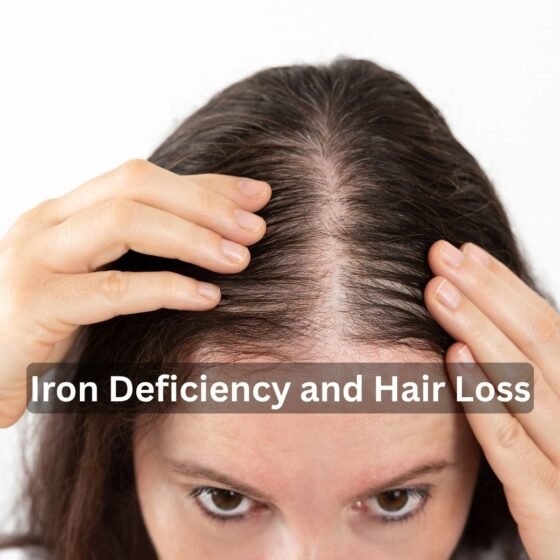
How Iron Deficiency Affects Hair Growth
Iron helps your body produce hemoglobin, which carries oxygen to cells throughout your body, including the ones responsible for hair growth. When iron levels drop, your follicles do not get enough oxygen and nutrients to stay in their active growth phase.
Your body essentially treats hair growth as non essential and redirects resources elsewhere. Over time this can push more hair follicles into a resting phase, leading to noticeable shedding and thinning, especially if the deficiency goes on for a while without being addressed.
Stylist Secret
Ask your doctor for a ferritin test specifically, not just a general iron panel. Ferritin shows your stored iron levels and often reveals a deficiency before other markers do.
Try: A ferritin blood test
Signs Your Hair Loss Might Be Iron Related
Iron related hair loss usually looks like gradual thinning across the scalp rather than sudden patchy bald spots.
You might also notice other symptoms alongside the shedding, like feeling more tired than usual, looking pale, getting short of breath easily, or craving odd things like ice.
Brittle nails and cold hands and feet are common too. If your hair thinning is showing up alongside any of these, it is worth mentioning iron specifically when you talk to your doctor.
Stylist Secret
Keep a quick list of any other symptoms you have noticed, like fatigue or brittle nails. It helps your doctor connect the dots faster.
Try: A quick symptom checklist
Who Is Most At Risk For Iron Deficiency Hair Loss
Women with heavy periods lose more iron monthly and are especially prone to this type of hair loss.
Pregnant women, people who follow a vegetarian or vegan diet, frequent blood donors, and anyone with a digestive condition that affects nutrient absorption are also at higher risk.
Even something as simple as a restrictive diet for weight loss can lower your iron stores enough to affect your hair over time.
Stylist Secret
If you are vegetarian or vegan, pair iron rich plant foods with a source of vitamin C. It significantly improves how much iron your body actually absorbs.
Try: Lentils with a squeeze of lemon
How To Increase Iron Naturally
Adding iron rich foods to your meals is a good starting point, think red meat, poultry, seafood, lentils, beans, spinach, and fortified cereals. Cooking in a cast iron pan can also boost the iron content of your food slightly.
That said, diet alone does not always fix a real deficiency fast enough, so your doctor might recommend a supplement based on your test results. Never start high dose iron supplements on your own since too much iron can also cause health issues.
Stylist Secret
Avoid having tea or coffee right after an iron rich meal. Both can reduce how much iron your body actually absorbs.
Try: Waiting an hour before your next cup
How Long Until Hair Grows Back After Fixing Iron Levels
Once your iron levels are restored, your hair does not bounce back overnight. It typically takes a few months for your follicles to shift out of the resting phase and start actively growing again, and a few more months after that to notice real visible improvement.
Try to be patient and stay consistent with both your diet or supplements and your hair care routine during this time.
Stylist Secret
Give it a full growth cycle before judging results. Regrowth after correcting a deficiency tends to be slow and steady rather than sudden.
Try: Monthly progress photos
When To See A Doctor
If you suspect iron deficiency is behind your hair loss, do not just start guessing with supplements.
A simple blood test can confirm whether your iron and ferritin levels are actually low, and your doctor can help you figure out why, whether it is diet related, due to blood loss, or something else.
Treating the actual cause is what makes the real difference for your hair, not just adding more iron blindly.
Final Thoughts
Iron deficiency is one of the most overlooked causes of hair loss, and the good news is that it is also one of the most treatable once it is properly identified.
If your hair fall has been dragging on despite trying every product under the sun, it might be worth looking at what is happening on the inside rather than just the outside.
Frequently Asked Questions
Does iron deficiency hair loss grow back?
Yes, once iron levels are restored and maintained, most people see their hair growth return to normal over the following months.
How do I know if my hair loss is from iron deficiency?
A blood test that checks your ferritin levels is the most reliable way to know for sure, especially if your hair fall is paired with fatigue or pale skin.
Can low iron cause hair loss even with a normal iron blood test?
Yes, ferritin, your stored iron, can be low even when standard iron levels look normal, which is why a dedicated ferritin test matters.
How much iron do I need daily to prevent hair loss?
Needs vary by age, sex, and health history, so it is best to get your levels tested and follow your doctor’s specific recommendation rather than guessing.
Can iron supplements cause hair loss instead of helping?
Taking iron without an actual deficiency, or taking too much, can cause other health problems, so supplements should only be used based on confirmed low levels.