Is Stress Really Causing Your Hair Fall? The Truth

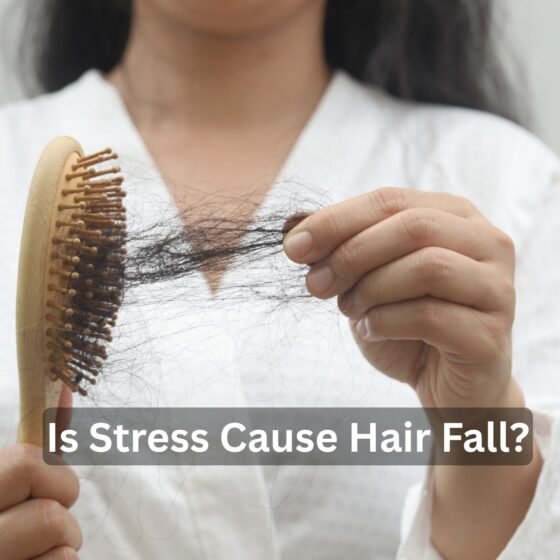
If you have been finding more hair than usual on your pillow, in the shower drain, or tangled in your hairbrush, you are probably asking yourself the same question I get asked all the time at the salon. Is stress really behind this? Short answer, yes it absolutely can be. Long answer, it is a little more layered than that.
Stress does not pull your hair out directly, but it can push your hair follicles into a resting phase earlier than they should, which leads to noticeable shedding weeks later.
The good news is that stress related hair fall is usually temporary. Let’s break down exactly what is happening to your hair and what actually helps.
What Is Stress Related Hair Fall
The medical term for this is telogen effluvium. Your hair naturally cycles through growth, rest, and shedding phases, and normally only a small percentage of strands are resting at any given time.
A major stress event can force a larger batch of hair follicles into that resting phase all at once. A few months later, those hairs shed together, which is why the hair fall often feels sudden even though the trigger happened weeks earlier. It is your body’s normal response, not permanent damage to your follicles.
Stylist Secret
Track when the shedding started and count back two to three months. That timeline usually points straight to the stressful event that triggered it.
Try: A shedding journal
How Stress Actually Triggers Hair Fall
Stress raises cortisol levels in your body, and high cortisol can interfere with the signals your hair follicles rely on to stay in their growth phase. Emotional stress, physical illness, surgery, sudden weight loss, or even a big life change can all trigger this same response.
Your scalp is not immune to what your body is going through. Honestly, I have seen clients come in confused about sudden hair fall, only to realize a stressful few months lined up perfectly with the shedding.
Stylist Secret
Gentle scalp massage for a few minutes daily can help improve blood flow to your follicles while your body recovers from stress.
Try: A nightly scalp massage
How Long Does Stress Hair Fall Last
Stress related shedding typically starts about two to three months after the triggering event and can continue for a few months after that. For most people, the hair fall slows down and new growth returns once the stress is managed and the body stabilizes.
It rarely lasts forever. If your stress is ongoing, though, the shedding phase can stretch out longer than expected, so managing the root cause matters just as much as caring for your hair on the surface.
Stylist Secret
Give it time. Most stress related shedding calms down within six to nine months once the underlying stress eases.
Try: Patience and consistency
Signs Your Hair Fall Is Stress Related
Stress related hair fall tends to show up as diffuse thinning across the whole scalp rather than in one specific spot. You might notice more strands in your brush, shower, or on your pillow, but your scalp usually still looks healthy underneath.
This is different from patchy bald spots or thinning that follows a clear pattern, which could point to other causes. If your part is widening evenly or your ponytail feels a little thinner all around, stress is a likely culprit.
Stylist Secret
If you notice patchy bald spots instead of even thinning, that is a sign to see a dermatologist rather than assume it is stress.
Try: Checking your part line
How To Stop Stress Related Hair Fall
The most effective thing you can do is address the stress itself, whether that means better sleep, therapy, movement, or simply giving yourself permission to slow down. Alongside that, support your hair with a gentle routine.
Avoid tight hairstyles, harsh heat styling, and over washing while your scalp is sensitive. A nourishing shampoo and a scalp friendly diet with enough protein and iron can also help your follicles bounce back faster.
Stylist Secret
Loosen your usual hairstyle for a while. Tight ponytails and buns add extra tension to follicles that are already under stress.
Try: A looser braid or low bun
When To See A Doctor
Most stress related hair fall improves on its own, but it is worth checking in with a doctor or dermatologist if the shedding does not slow down after several months, if you notice bald patches, or if it is paired with other symptoms like fatigue or changes in your cycle.
Sometimes what looks like stress related shedding is actually linked to a thyroid issue or a nutrient deficiency, and getting that checked gives you real answers instead of guesswork.
Final Thoughts
Seeing extra hair fall is unsettling, but in most cases stress related shedding is temporary and reversible.
Give your body time to recover from whatever triggered it, be gentle with your hair in the meantime, and pay attention to whether things are improving month over month. If they are not, do not hesitate to get a professional opinion.
Frequently Asked Questions
Can stress hair fall grow back?
Yes, in most cases the hair follicles are not permanently damaged, and normal growth returns once the stress is managed and enough time has passed.
How much hair fall from stress is normal?
Some daily shedding is completely normal for everyone. With stress related hair fall, you will typically notice a clear increase compared to your usual amount, especially in the shower or on your brush.
Can anxiety cause hair thinning?
Yes, ongoing anxiety keeps stress hormones elevated, which can affect your hair growth cycle in the same way other forms of stress do.
Does stress cause hair loss on the scalp only?
Stress related shedding usually affects the whole scalp rather than one area, though everyone’s experience can look a little different.
Should I change my hair products if I am dealing with stress related shedding?
You do not necessarily need new products, but switching to gentler, sulfate free options and avoiding heavy heat styling can support your hair while it recovers.